

We will treat your home as if it was our own
Is TPO Roofing Right for Your Commercial Building?
Navigating the world of commercial roofing can feel like a labyrinth, especially with the array of options promising durability, efficiency, and cost savings. But among the many contenders, one material consistently rises to the top for a diverse range of businesses: TPO roofing. If you’re pondering your next roofing investment, or simply curious about this increasingly popular choice, you’ve landed in the right place. We’re going to pull back the curtain on TPO, exploring not just what it is, but why it’s become a go-to solution for so many, and whether it holds the key to your building’s long-term protection.What Exactly is TPO Roofing?
Let’s demystify TPO. The acronym stands for Thermoplastic Polyolefin, and it’s essentially a single-ply membrane roofing material. Think of it as a robust, flexible sheet engineered to provide a seamless, waterproof barrier over your commercial roof. Unlike some older roofing systems that rely on multiple layers or hot-applied asphalt, TPO is a high-tech marvel designed for modern building demands.A look at its composition and key characteristics
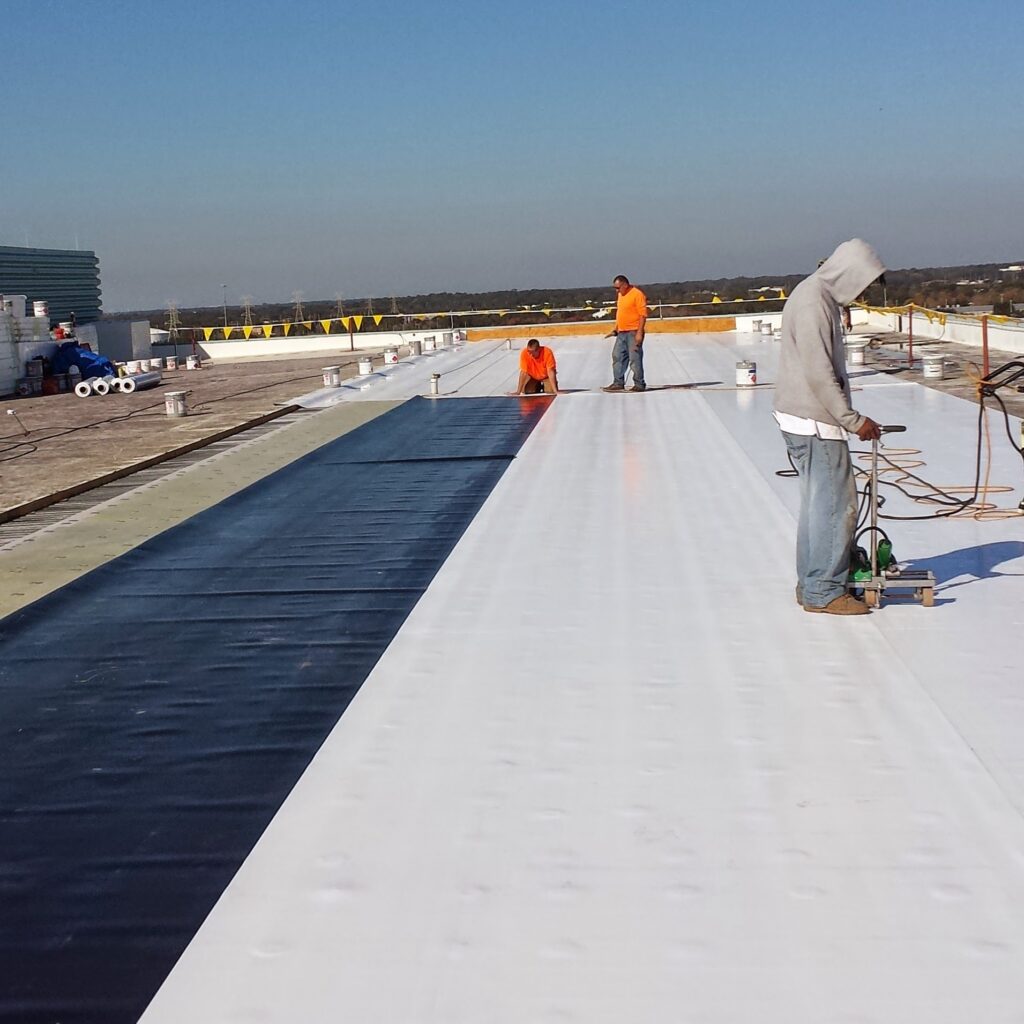
At its heart, TPO is a blend of polypropylene and ethylene–propylene rubber, often reinforced with a fabric scrim (usually polyester) that’s laminated between the TPO plies. This reinforcement is crucial, as it provides the sheet with superior strength and dimensional stability – meaning it won’t easily stretch or shrink under extreme temperatures. What truly sets TPO apart is its thermoplastic nature. This means that when heat is applied, the material softens, allowing sections to be hot-air welded together. When these sheets are welded, they fuse into a monolithic, continuous membrane. Imagine melting two pieces of plastic together until they become one indestructible piece – that’s the magic behind TPO seams. This creates an incredibly strong, watertight bond that is often stronger than the membrane itself. Key characteristics that immediately stand out include its typical white or light-colored surface, though darker colors are available. This light color isn’t just for aesthetics; it plays a critical role in the energy efficiency of single-ply roofing and flashings, which we’ll dive into shortly. It’s also highly resistant to tears, punctures, and impacts, making it a formidable shield against the elements and daily wear and tear. Furthermore, TPO is designed to withstand chemical exposure, UV radiation, and microbial growth, ensuring a long-lasting, low-maintenance roof.Why do Roofers love TPO membranes, and how SEO helped us discover it.
Now that we understand the ‘what,’ let’s move to the ‘why.’ TPO’s rapid ascent in the commercial roofing sector isn’t just hype; it’s built on tangible benefits that address the real-world needs of building owners and facility managers. TPO popularity was suggested by our roofing SEO provider, who handles SEO for roofing companies like ours. Having reviewed the keyword data, we were also convinced by customer demand and were already aware of the membrane’s lifespan and ease of installation.1. Energy Efficiency and Cost Savings of TPO roofing membrane
This is often the first benefit that captures attention, and for good reason. The vast majority of TPO membranes are produced in light colors, typically white. This isn’t a design quirk; it’s a strategic engineering choice. Light-colored surfaces reflect a significant portion of the sun’s UV rays and radiant heat away from the building, rather than absorbing them. Think about wearing a black shirt versus a white shirt on a sunny day. The white shirt keeps you cooler. The same principle applies here. This reflective quality, known as high solar reflectivity, drastically reduces the heat absorbed by the roof. What does that mean for you? Reducing heat entering your building directly reduces the workload on your air conditioning systems, especially during peak summer months. Over time, these energy savings can add up to substantial cost reductions in your operating budget, making TPO a wise long-term investment.2. Durability of the Roofing Membrane
A commercial roof isn’t just about keeping water out; it’s about standing up to everything Mother Nature throws at it, year after year. TPO excels here. Its robust composition provides excellent resistance to tears, punctures, and impacts, which is critical in an environment where hail, debris, and foot traffic are common. The reinforced membrane offers superior resistance to weathering, UV radiation, and microbial growth, preventing premature degradation. With proper installation and maintenance, a TPO single-ply roofing membrane can easily provide 15 to 20 years of reliable service, is UV resistant, has a number of roofing applications, and with good bonding adhesives and coverboard, the epdm membranes can last even longer. This impressive lifespan means fewer disruptions, less frequent replacement costs, and greater peace of mind knowing your building is protected by a resilient barrier.3. Ease of Installation of Roofing Membrane
While no roofing installation is truly “easy,” EPDM roofing stands out for its relatively straightforward process compared to more complex systems. Because it’s a single-ply membrane, it doesn’t require multiple layers or hot-mopped asphalt, significantly reducing installation time and labor costs. The large, lightweight rolls are easier to transport and maneuver on the roof, and the hot-air welding technique through heat-weld for seams creates strong, consistent bonds efficiently. even on metal roofs as long as the right primers are used. This streamlined process translates into quicker project completion, less disruption to your business operations, and often, more competitive pricing from contractors.These roofs also make roof repair easier and should definitely be considered for any commercial roofing project4. Eco-Friendliness
In an era where sustainability is paramount, TPO offers a compelling eco-friendly narrative. Its energy-efficient properties, as discussed earlier, directly contribute to reducing a building’s carbon footprint by lowering energy consumption. Beyond that, TPO is often produced without chlorine, making it a more environmentally sound choice compared to some other roofing materials. Many TPO membranes are also fully recyclable at the end of their long service life, further minimizing waste and supporting circular economy principles. Choosing TPO can be a clear demonstration of your commitment to sustainable building practices.5. Versatility and Aesthetics
While functionality is key, the appearance of your commercial building also matters. TPO offers a clean, modern look that can enhance your building’s aesthetic appeal. While commonly seen in white, manufacturers offer TPO in various colors, including gray and tan, allowing for some flexibility in design choices. It can be installed on a wide range of roof types, from flat to low-slope, and can be mechanically fastened, fully adhered, or ballasted, providing versatility to suit different building structures and architectural styles. This adaptability means you don’t have to compromise on either performance or appearance.Are There Any Downsides to TPO Roofing? Potential Considerations
No roofing system is without its nuances, and TPO is no exception. While its benefits are numerous, it’s important to approach any decision with a clear understanding of potential considerations. Knowing these allows you to make an informed choice and ensure any challenges are effectively mitigated.1. Seam Integrity (and how it’s addressed)
In the early days of TPO, some manufacturers faced challenges with seam integrity. The strength of a TPO roof lies in those hot-air welded seams, so if they weren’t performed correctly or the material wasn’t optimal, they could become weak points. However, significant advancements in both TPO membrane formulation and installation techniques have largely resolved this. Today’s TPO membranes are designed for superior weldability, and roofing contractors employ sophisticated hot-air welding equipment that ensures consistent, strong, and watertight seams. Reputable installers often use automatic welders that precisely control temperature and speed, minimizing human error. The key takeaway here is to always choose an experienced, certified roofing contractor who understands the nuances of TPO welding. Their expertise is your best defense against seam issues.2. Early Formulation Issues (and why they’re largely solved)
Similar to the seam concerns, some of the very first TPO formulations experienced issues with premature aging, cracking, or brittleness when exposed to extreme UV radiation or high temperatures. These were often related to the specific plasticizers and UV stabilizers used in the early membranes. Manufacturers took these early challenges seriously and invested heavily in research and development. Modern TPO membranes have vastly improved formulations. They incorporate advanced UV stabilizers and antioxidants that dramatically enhance their resistance to environmental stressors, ensuring excellent long-term performance and flexibility. Think of it like the evolution of car engines – early models had quirks, but today’s engines are incredibly reliable due to continuous innovation. The TPO on the market today is a testament to years of refinement, making it a highly reliable and durable option.3. Color Retention
While TPO is renowned for its energy efficiency due to its light color, some homeowners might notice that over many years, the brilliant white can slightly dull or accumulate dirt, subtly impacting its reflectivity. This is a natural consequence of environmental exposure and isn’t a structural issue. Regular, albeit infrequent, cleaning can maintain a TPO roof’s aesthetic appeal and optimize its reflective properties. However, even with some dirt accumulation, a light-colored TPO roof will still perform significantly better in terms of solar reflectivity than a darker-colored roof. It’s a minor aesthetic point rather than a major functional drawback.TPO vs. Other Commercial Roofing Systems: A Quick Comparison
When evaluating TPO, it’s helpful to understand where it stands in relation to other popular commercial roofing materials. This isn’t about declaring one “best,” but rather identifying the ideal fit for specific needs.TPO vs. EPDM
EPDM (Ethylene Propylene Diene Monomer) is often referred to as “rubber roofing” and is another single-ply membrane.- Composition: EPDM is a synthetic rubber, typically black, but white is available. TPO is a thermoplastic olefin.
- Seams: EPDM seams are traditionally sealed with adhesive and tape. TPO seams are hot-air welded, creating a monolithic bond often stronger than the membrane itself. This is a significant distinction in terms of long-term integrity and are mechanically attached.
- Energy Efficiency: EPDM‘s black surface absorbs more heat, making it less energy-efficient than white TPO, unless a white EPDM is chosen (which is often more expensive).
- Durability: Both are very durable. EPDM is known for its excellent flexibility and resistance to punctures, while TPO offers superior resistance to tears and impacts, as well as chemicals and grease.
- Cost: Generally, EPDM can be slightly less expensive upfront, but TPO often offers better long-term energy savings.
TPO vs. PVC
PVC (Polyvinyl Chloride) is another thermoplastic single-ply membrane, sharing some similarities with TPO.- Composition: PVC is a plastic polymer, while TPO is a blend of rubber and plastic.
- Seams: Both PVC and TPO are hot-air welded, offering strong, watertight seams.
- Flexibility & Chemical Resistance: PVC is exceptionally resistant to chemicals, oils, and grease, making it an excellent choice for restaurants or industrial facilities where such exposures are common. TPO is also resistant, but PVC generally takes the lead here. TPO offers superior flexibility in colder temperatures.
- Cost: PVC is typically more expensive than TPO due to its more complex manufacturing process and specialized additives.
- Environmental Impact: TPO is generally considered more environmentally friendly than PVC as it doesn’t contain chlorine and is often recyclable.
Is TPO the Right Fit for Your Building?
Ultimately, the decision to install TPO roofing comes down to your specific building, budget, and long-term goals. Here are some key factors to consider before making your final choice:Key factors to consider before deciding
- Climate: If your building is in a warm, sunny climate, the energy efficiency of white TPO can offer significant savings. In colder climates, its flexibility in low temperatures is still a benefit.
- Building Type: TPO is highly versatile and suitable for almost any commercial or industrial building with a low-slope, flat roof or roof deck. If your building has exhaust fumes or chemical discharge, TPO’s resistance is a plus.
- Budget: While not the cheapest upfront, TPO’s durability, low maintenance, and energy savings often make it a highly cost-effective option over its lifespan.
- Long-Term Goals: Are you looking for a roof that will last 15-20+ years with minimal fuss and offer significant energy cost reductions? If so, TPO aligns perfectly.
- Contractor Expertise: This is paramount. The success of a TPO roof hinges heavily on proper installation. Ensure you choose a reputable contractor with proven experience and certifications in TPO roofing systems and single-ply roofing installations. Ask for references and warranty information.